How Coastal Living Affects Your Home: Maintenance Tips for Salt Air and Moisture

Living near the ocean is one of Coastal Orange County’s great attractions. Beautiful beaches, cooling ocean breezes, and a relaxed outdoor lifestyle help make communities such as Newport Beach, Corona del Mar, Newport Coast, and Laguna Beach desirable places to call home.
That coastal environment, however, can also be tough on a house. Salt carried in the air, moisture, strong sunlight, and ocean breezes can gradually affect everything from exterior hardware to windows and landscaping. A little preventive maintenance can go a long way toward protecting your home and avoiding more expensive repairs later..
Keep an Eye on Salt-Air Corrosion
Salt air can accelerate corrosion of exposed metals, particularly on homes located close to the ocean. Exterior light fixtures, railings, gates, door hardware, fasteners, outdoor furniture, and even some window and door components can begin showing signs of deterioration.
Regularly rinse exposed surfaces with fresh water to remove accumulated salt. Inspect metal components periodically for rust, bubbling finishes, or discoloration. When replacement is necessary, materials designed for coastal environments—such as appropriate grades of stainless steel or corrosion-resistant finishes—may provide better long-term performance.
Air-conditioning equipment and other exterior mechanical systems should also receive regular professional maintenance, since outdoor components are continually exposed to the coastal environment.
Watch for Moisture Before It Becomes a Problem
Moisture doesn’t have to come from a major roof leak to cause damage. Small plumbing leaks, failed exterior caulking, improperly sealed windows, poor drainage, or inadequate ventilation can allow moisture to accumulate over time.
Watch for musty odors, staining around windows and ceilings, peeling paint, swollen wood, or recurring condensation. These can signal excess moisture early on.
Properly ventilate bathrooms, laundry rooms, kitchens, and other moisture-producing areas. If you suspect significant water intrusion or mold, have an appropriate professional evaluate the condition rather than simply painting over the affected area.
Inspect Windows, Doors and Exterior Finishes
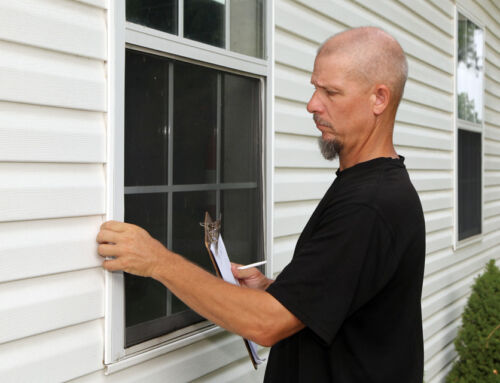
Coastal exposure is especially noticeable around windows and doors. Check weather stripping, seals, caulking, frames, and hardware periodically.
Also inspect stucco for cracking or areas where water could penetrate. Wood siding, trim, decks, fences, and railings may require more frequent attention in a coastal environment.
Routine maintenance is generally easier and less costly than waiting until a small area of deterioration becomes a larger repair.
Don’t Forget Drainage
Water should move away from the house rather than collect around the foundation or exterior walls.
Keep roof drains, gutters, downspouts, area drains, and other drainage systems clear. After a significant rain, walk around the property and look for standing water or areas that aren’t draining properly.
For hillside properties, drainage deserves particular attention. Consult qualified professionals if you have concerns about slopes, retaining walls, erosion, or significant water movement.
Choose Landscaping for the Coastal Environment
Landscaping can also benefit from a coastal approach. Plants that tolerate salt, wind, sun, and Southern California’s relatively dry conditions may require less maintenance while still creating an attractive outdoor environment.
Avoid allowing vegetation to grow directly against exterior walls, roofs, or drainage areas. Keeping landscaping maintained can improve airflow, provide access for inspections, and help homeowners spot maintenance issues earlier.
Protecting the Coastal Lifestyle
Owning a home near the ocean comes with responsibilities that may differ from owning farther inland, but most coastal maintenance is simply a matter of consistency.
Periodic inspections, fresh-water rinsing, timely attention to leaks, proper ventilation, good drainage, and appropriate landscaping can help protect a Coastal Orange County property for years to come.
After all, the goal isn’t simply to own a home near the coast. It’s to spend additional time enjoying the coastal lifestyle—and less time dealing with repairs you could have prevented.